
Diet and Perimenopause: Why Your Gut Health Matters for Estrogen

Gut Health & Perimenopause Connection
If you’re somewhere in your 40s and suddenly feel like your body changed the rules without telling you, you’re not alone. Maybe your periods are heavier, you’re more bloated or constipated, PMS feels stronger, or your mood is less predictable. You may have even heard that you need to “support your gut” or “detox your estrogen,” but what does that actually mean?
It’s not about some complicated detox. It’s about supporting the systems your body already uses every day to process and eliminate estrogen, and your gut plays a surprisingly important role in that process. There’s even a name for the group of gut bacteria involved: the estrobolome. And if you’re in perimenopause, it’s something worth knowing about.
What Happens to Estrogen During Perimenopause??
When we talk about estrogen in perimenopause, we tend to focus on how much estrogen our body is making. But there’s another part of the story that matters too: what happens to estrogen after our body is finished using it. Estrogen has important jobs throughout the body, including supporting our bones, heart, skin and reproductive health, but it also needs to be properly metabolized and eliminated.
This is where your liver and gut come into the picture. Your liver helps process estrogen into metabolites that can eventually be eliminated through your urine or bowel movements. And because your gut bacteria influence what happens to some of that estrogen before it leaves your body, supporting gut health is also one piece of supporting healthy estrogen metabolism.
What Does Gut Health Have to Do With Estrogen?
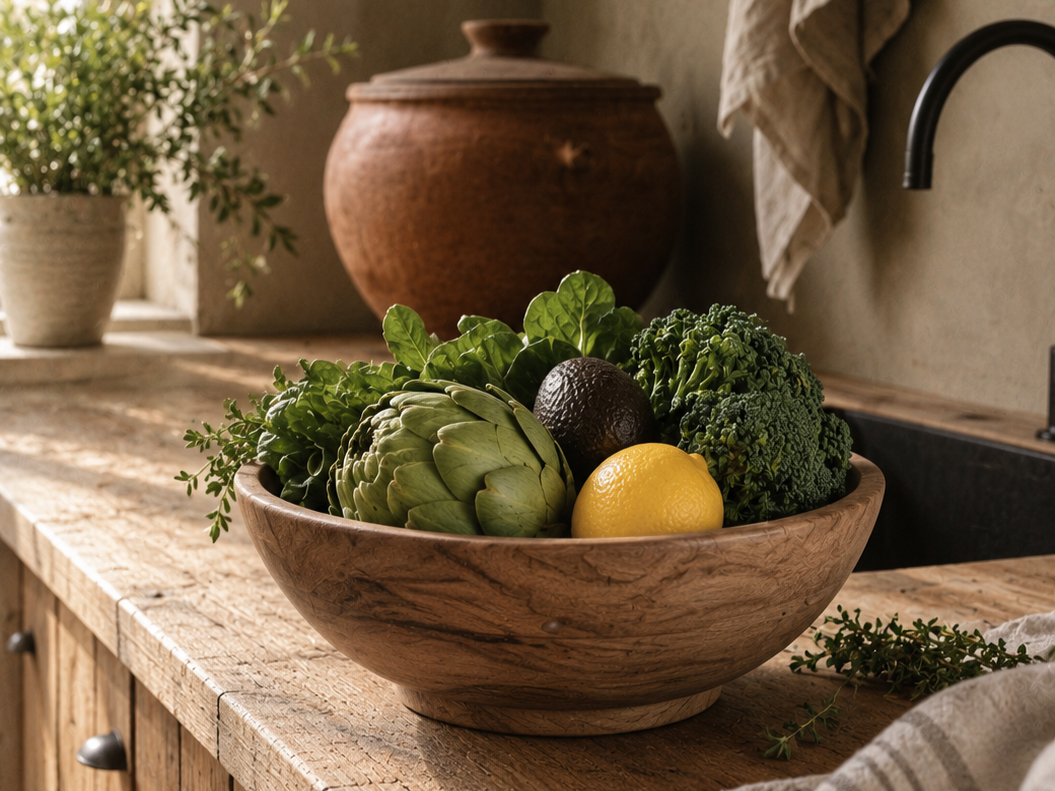
Your gut isn't just responsible for digestion. The bacteria living there are involved in so many processes throughout the body, including what happens to estrogen. There is actually a collection of gut bacteria involved in estrogen metabolism called the estrobolome. Think of it as one little neighborhood within your much larger gut microbiome.
When the balance and diversity of those bacteria change, it may influence how much estrogen is eliminated versus how much is able to return to circulation. This is one reason I talk so much about gut health when we're talking about women's hormones. Your gut doesn't make all of your estrogen, but it can influence how your body handles the estrogen that's already there.
What Is the Estrobolome?

Okay, here's the science-y word I want you to know, but I promise I'm going to make it simple. The estrobolome is the collection of bacteria in your gut involved in metabolizing estrogen. And within this little ecosystem, certain bacteria produce an enzyme called beta-glucuronidase.
We need some beta-glucuronidase activity, so this isn't another thing we're trying to completely get rid of. It's about balance. When activity is higher, estrogen that had been prepared for elimination can be converted back into an active form and re-enter circulation instead of leaving the body through a bowel movement.
Think about it this way: your liver has done the work of packaging up estrogen to be taken out with the trash, and your gut helps influence whether that trash actually makes it out the door.
Why Does This Matter in Perimenopause?

This is where I think understanding the estrobolome becomes really helpful. Instead of thinking about “balancing hormones” as this vague thing we somehow need to accomplish, we can start looking at the everyday systems that support how our bodies process and eliminate hormones.
Your gut is one of those systems. The PDF explains that gut microbial balance and diversity are important to the estrobolome and that changes in the microbiome may affect estrogen metabolism. It also points out that the digestive and endocrine systems are deeply connected, which is why gut and hormone concerns can sometimes overlap.
So no, I'm not saying that fixing your gut is going to magically “fix your hormones.” But supporting digestion, microbial diversity and regular elimination gives your body some of the support it needs to handle estrogen well. And that is something we can actually work on through the foods and daily rhythms we're already talking about here at Rooted Home Wellness.
5 Ways to Support Estrogen Metabolism Naturally
1. Eat More Fiber
Fiber helps keep things moving through your digestive system, which matters because your stool is one of the ways your body eliminates metabolized estrogen. Higher-fiber diets may also help support healthy beta-glucuronidase activity in the gut. Think chia, ground flax, berries, beans, lentils, apples, vegetables and whole grains.
2. Feed Your Good Gut Bacteria
A healthy estrobolome starts with a healthy, diverse gut microbiome. Prebiotic foods like garlic and onions help feed beneficial bacteria, while fermented foods like kefir can add helpful microbes to your diet. You don't need to make this complicated. Aim for a variety of plant foods and add fermented foods you tolerate.
3. Stay Hydrated
This one sounds almost too simple, but it matters. Water works alongside fiber to support regular bowel movements, helping your body actually eliminate estrogen metabolites rather than allowing them to hang around longer in the digestive tract.
4. Eat More Colorful Plant Foods
Apples, broccoli, cherries, oranges and tomatoes are among the foods highlighted in the resource for naturally containing d-glucaric acid, a compound connected to beta-glucuronidase activity. Flaxseed, soy and cruciferous vegetables also contain phytoestrogens that interact with estrogen pathways in the body. Another reason to keep adding color and variety to your plate.
5. Reduce the Load Where You Can
You don't need to overhaul your entire home, but small changes can reduce exposure to synthetic xenoestrogens found in things like some plastics, food packaging and personal-care products. Using glass or stainless steel more often is one simple place to start. The resource also recommends considering alcohol intake, since regular alcohol consumption has been associated with increased serum estrogen levels.
Start Here
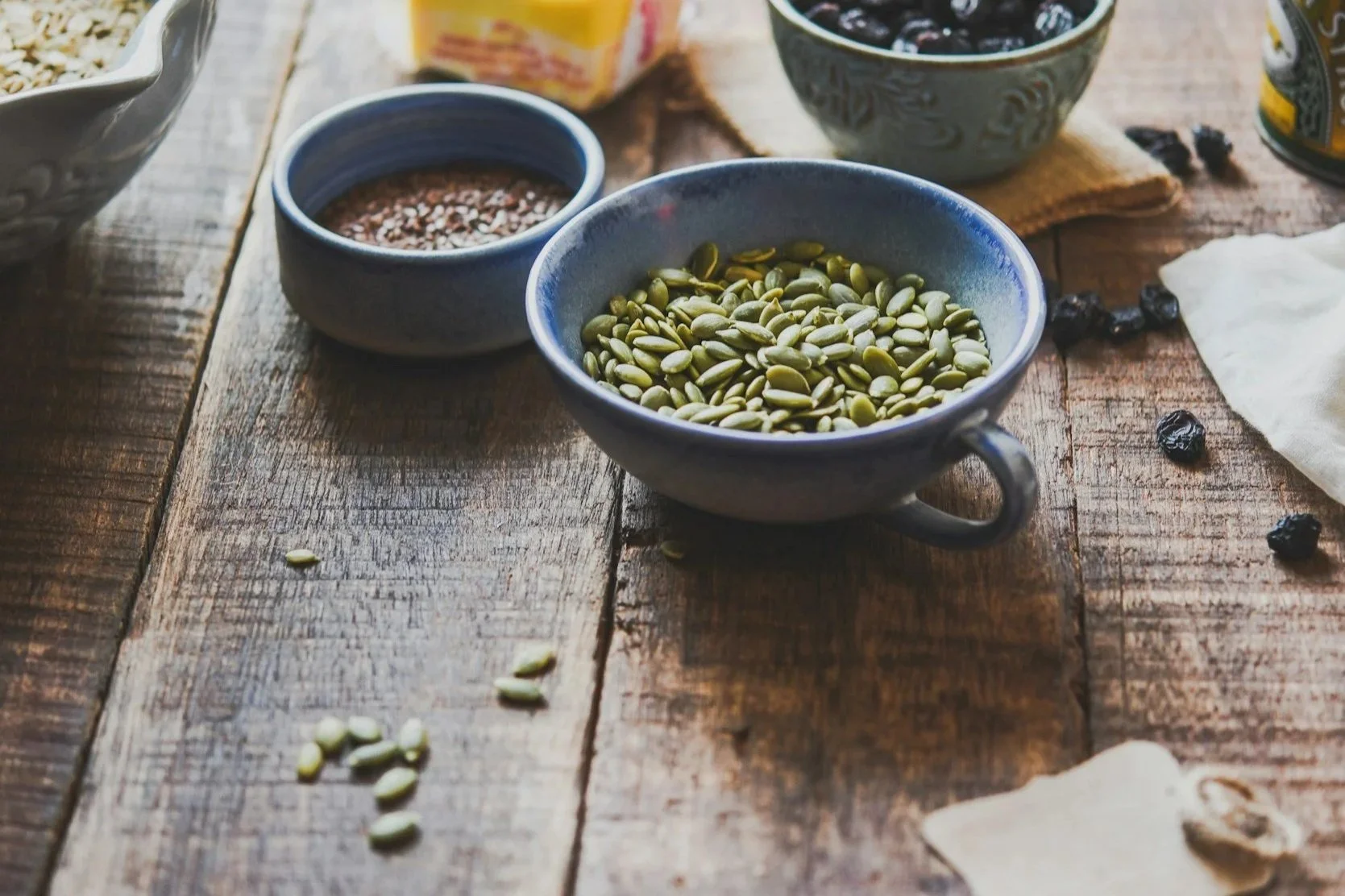
Adding nuts and seeds to your meals
You don't have to overhaul everything after reading this. Pick one thing. Add a tablespoon of ground flax to breakfast. Put another vegetable on your dinner plate. Drink an extra glass of water. Add beans to your lunch. Try kefir or another fermented food if you tolerate it.
Because this is what I want eating and living well in perimenopause to feel like: less chasing symptoms and complicated protocols, and more understanding what your body needs and creating simple rhythms that support it every single day.
Fiber / Gut bacteria / Hydration / Foods / Lifestyle
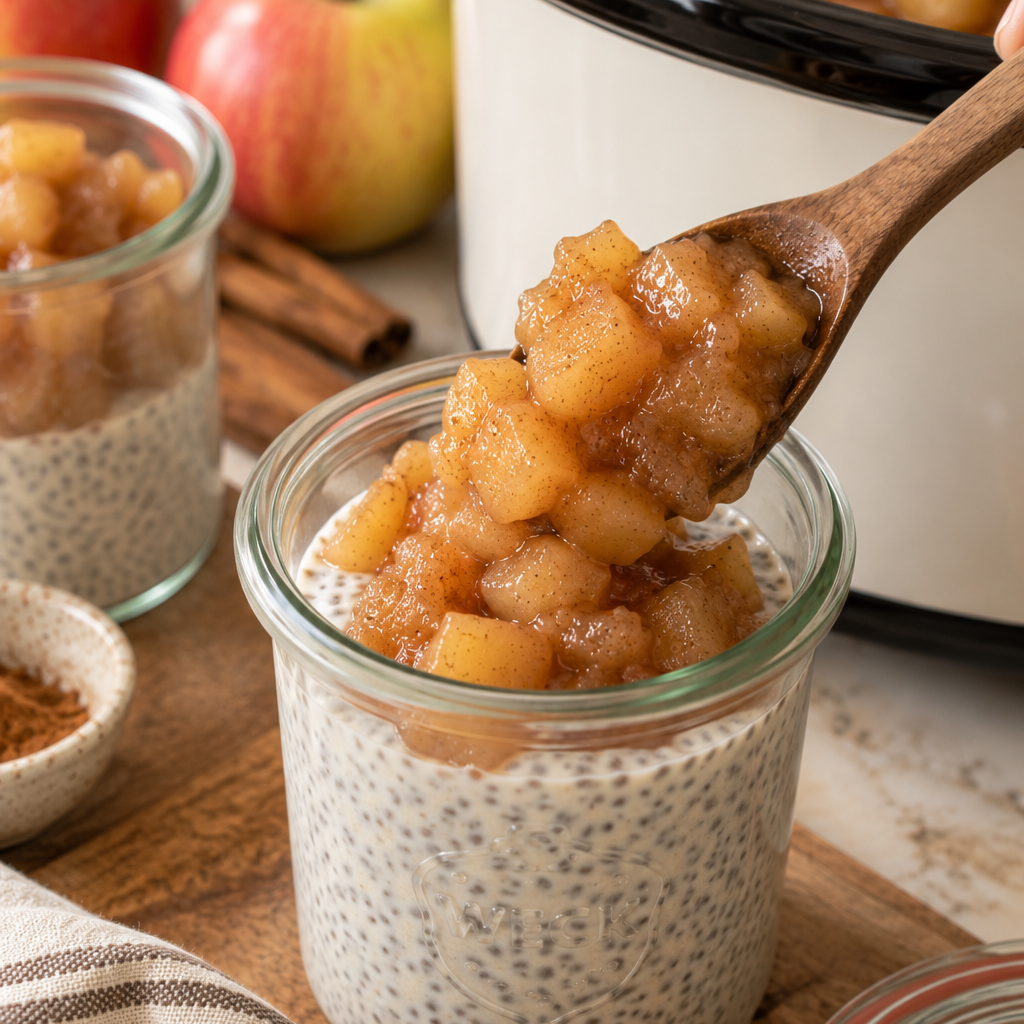



Blueberry Chia Seed Pudding for your perimenopause diet